
This Mary Berry-inspired cheese sauce is a simple, comforting addition to cauliflower cheese, pasta and vegetables. It is smooth and creamy, with a rich cheddar flavour and a gentle hint of mustard. The method is beginner-friendly and uses a classic butter and flour roux to thicken the sauce. Allow about 15 minutes from start to finish.
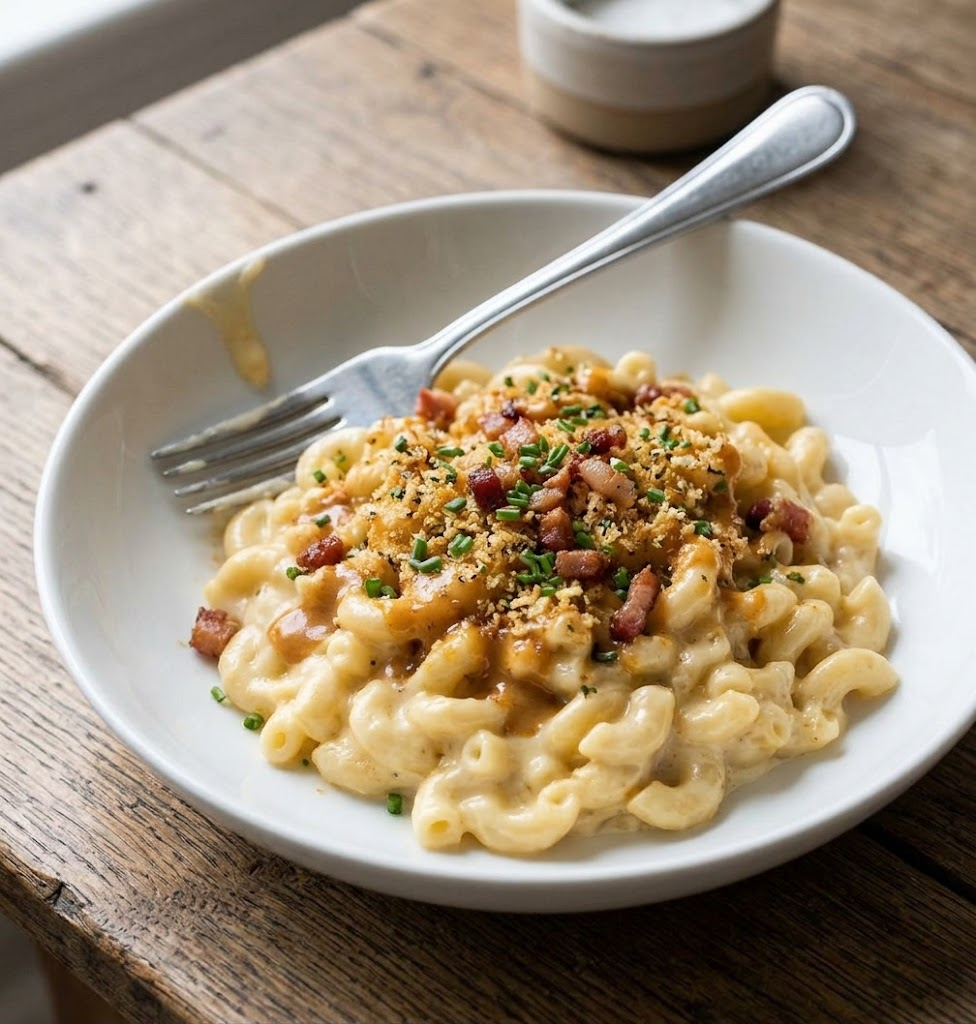
Cheese Sauce Ingredients
For the Sauce
- 40g unsalted butter
- 40g plain flour
- 500ml whole milk
- 100g mature cheddar cheese, finely grated
- 1 teaspoon Dijon mustard
- ¼ teaspoon freshly ground black pepper
- Salt, to taste
Kitchen Utensils
- Medium saucepan
- Whisk
- Wooden spoon or silicone spatula
- Measuring jug and kitchen scales
- Fine grater
How to Make Cheese Sauce
This sauce is cooked on the hob, so there is no need to preheat the oven unless you plan to use it in a baked dish.
- Prepare the ingredients: Grate the cheddar finely and measure the remaining ingredients. Keeping everything ready makes it easier to whisk the sauce without interruption.
- Melt the butter: Place the butter in a medium saucepan over medium-low heat. Let it melt gently without allowing it to brown.
- Make the roux: Add the flour and stir until you have a smooth paste. Cook for 1 minute, stirring constantly, to remove the raw flour taste.
- Add the milk: Pour in a small splash of milk and whisk until smooth. Continue adding the milk gradually, whisking well after each addition. The mixture will be thick at first, then loosen as you add more milk.
- Thicken the sauce: Increase the heat to medium and bring the sauce to a gentle simmer, whisking regularly. Simmer for 2 to 3 minutes until smooth and thick enough to coat the back of a spoon.
- Add the cheese: Remove the pan from the heat. Stir in the cheddar a handful at a time until melted, then add the mustard and black pepper. Taste before adding salt, as cheddar can be salty.
- Serve or assemble: Serve the sauce warm, or spoon it over cooked vegetables or pasta for a bake. If storing, cool it promptly and refrigerate within 2 hours.
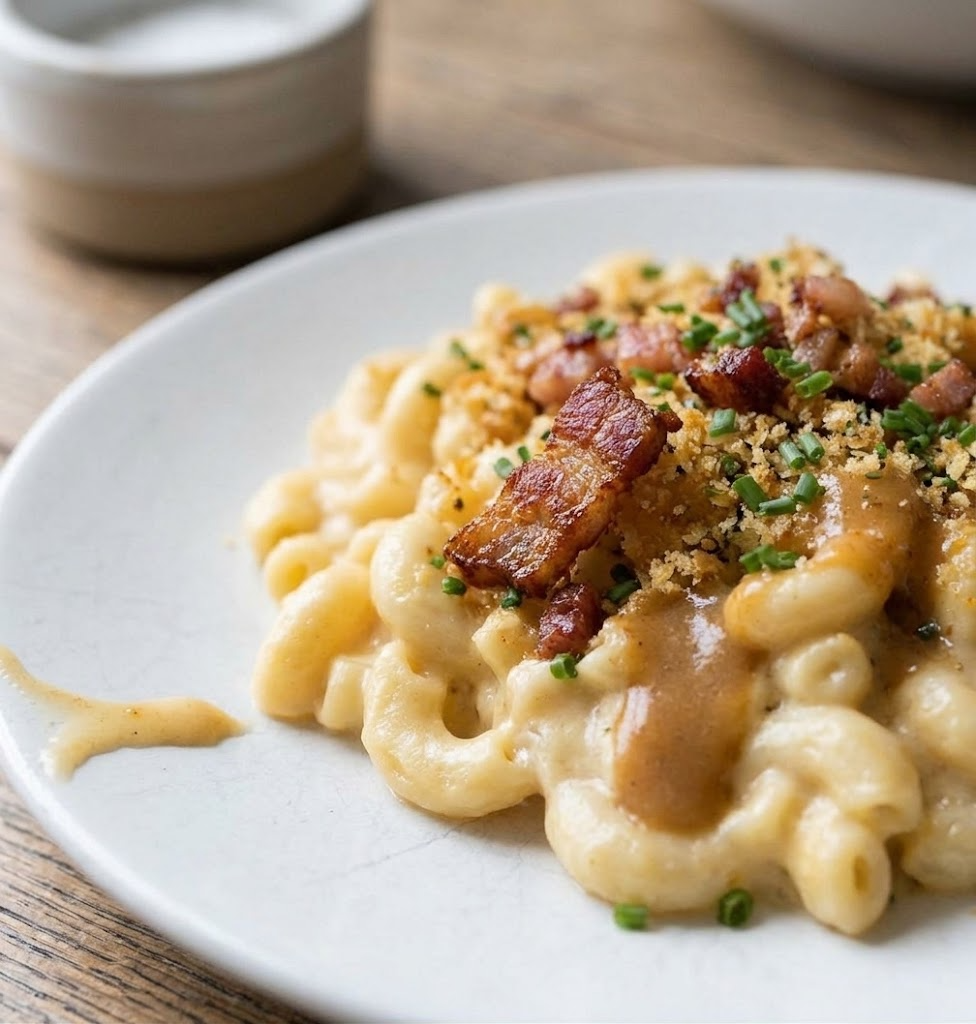
Tips for a Smooth Cheese Sauce
How Do I Prevent Lumps?
Add the milk gradually, especially at the beginning, and whisk each addition into the roux until smooth. If a few lumps remain, pass the finished white sauce through a sieve before adding the cheese.
Why Is My Cheese Sauce Grainy?
Cheese can become grainy when heated too aggressively. Take the pan off the heat before adding it, and stir until just melted. Finely grated cheese melts more evenly than large pieces.
How Can I Adjust the Thickness?
If the sauce is too thick, stir in a splash of milk over low heat. If it is too thin, simmer the white sauce for another minute or two before adding the cheese. It will also thicken slightly as it cools.
Which Cheese Gives the Best Flavour?
Mature cheddar gives the sauce a full, savoury flavour. For a milder result, use medium cheddar, or replace a little of the cheddar with Gruyère. Grating the cheese yourself helps it melt smoothly.
Serving Suggestions
- Pour over cooked cauliflower or broccoli for a comforting side dish.
- Mix with cooked macaroni and add a little extra cheese before baking.
- Spoon over a baked potato with steamed vegetables.
- Serve alongside cooked leeks, carrots or green beans.
- Use as a sauce for a vegetable or fish pie.
Storage and Reheating
Room Temperature
Serve the sauce soon after making it. Do not leave it at room temperature for more than 2 hours; refrigerate any leftovers promptly.
Refrigerator
Transfer the sauce to a shallow airtight container and refrigerate for up to 3 days. Reheat gently in a saucepan, stirring often and adding a splash of milk if needed. Heat until piping hot throughout, but avoid boiling it vigorously.
Freezing
Freeze cooled sauce in an airtight, freezer-safe container for up to 2 months. Thaw overnight in the refrigerator, then reheat gently, whisking in a little milk if needed. The texture may be slightly less smooth after freezing.
Nutrition
Approximate values per serving, based on four servings:
- Calories: 240 kcal
- Carbohydrates: 13g
- Protein: 10g
- Fat: 17g
- Saturated fat: 11g
- Sodium: 220mg, before added salt
Nutrition values are estimates and vary with the ingredients and brands used.
Cheese Sauce FAQs
Can I make cheese sauce ahead of time?
Yes. Make it up to 3 days ahead, refrigerate it in an airtight container and reheat gently with a splash of milk.
Can I use semi-skimmed milk instead of whole milk?
Yes. Semi-skimmed milk works well, although the sauce will be slightly less rich.
Can I make this cheese sauce without mustard?
Yes. Leave out the mustard if you prefer. The sauce will still have plenty of flavour from the cheddar.
Can I use this sauce for cauliflower cheese?
Yes. Pour it over well-drained, cooked cauliflower, add extra grated cheese if you like, and bake until hot and golden.
How do I fix a sauce that is too thick?
Whisk in a little milk at a time over low heat until the sauce reaches your preferred consistency.
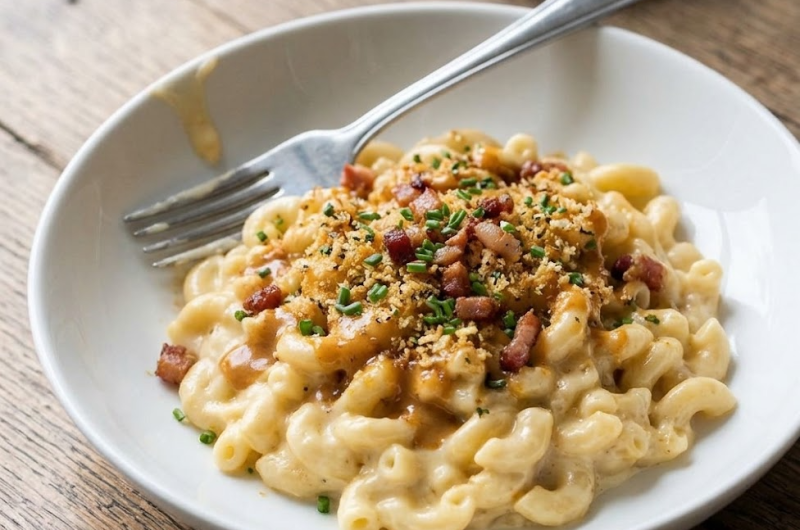
Classic Cheddar Cheese Sauce
Course: SauceCuisine: BritishDifficulty: Easy4
servings30
minutes40
minutes300
kcal1
hour10
minutesA smooth, creamy British-style cheese sauce made with mature cheddar and a touch of mustard. Ready in 15 minutes for vegetables, pasta or a comforting bake.
Ingredients
40g unsalted butter
40g plain flour
500ml whole milk
100g mature cheddar cheese, finely grated
1 teaspoon Dijon mustard
¼ teaspoon freshly ground black pepper
Salt, to taste
Directions
- Grate the cheese and measure the remaining ingredients.
- Melt the butter in a medium saucepan over medium-low heat.
- Stir in the flour and cook for 1 minute, stirring constantly.
- Gradually whisk in the milk, mixing until smooth after each addition.
- Bring to a gentle simmer over medium heat and cook for 2 to 3 minutes, whisking regularly, until thickened.
- Remove from the heat and stir in the cheddar a handful at a time until melted. Add the mustard and pepper, then taste and add salt if needed.
- Serve warm over vegetables or pasta, or use in a bake.
Notes
- Add the milk gradually to help prevent lumps.
- Remove the pan from the heat before adding the cheese for a smoother sauce.
- Refrigerate leftovers for up to 3 days or freeze for up to 2 months.